
AI Power Struggle 2026: Europe vs. Nordic 'Stargate'
The AI boom of 2026 has hit a physical wall: the power grid. As OpenAI and Microsoft scale frontier models, the demand for electricity has sparked a geopolitical tug-of-war between US technological ambition and European environmental sovereignty.
The Carbon Shock: UK Revises Estimates
In a stunning report released in late April 2026, the UK’s Department for Science, Innovation and Technology admitted that AI data centers could emit up to 123 million tonnes of CO2 over the next decade. This revision is 100 times higher than previous forecasts, sending shockwaves through London and Brussels.
The Nordic 'Stargate' Model
The Viking Compute Strategy
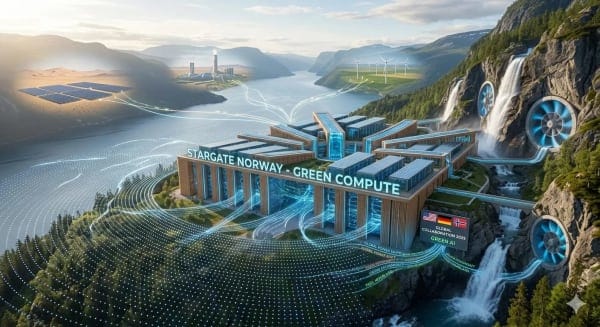
While Central Europe faces energy scarcity, the Nordic region is emerging as a global AI infrastructure superpower. The 'Stargate Norway' project, a consortium led by Aker and Nscale, is set to go live by late 2026. Housing 100,000 GPUs and powered entirely by renewable hydropower, it represents exporting processed intelligence rather than raw electricity.
The Gas Gamble and EU Regulations
Meanwhile, a controversial push from gas turbine manufacturers has divided EU regulators. Some argue Europe must follow the US lead in using natural gas to power AI centers to remain competitive.
A New Geopolitical Map
This tension coincides with the 'Digital AI Omnibus' proposal, which seeks to delay high-risk AI compliance deadlines. From the fjords of Norway to emerging green tech hubs, the winners of 2026 will not just be those with the best algorithms, but those who can power them efficiently.